
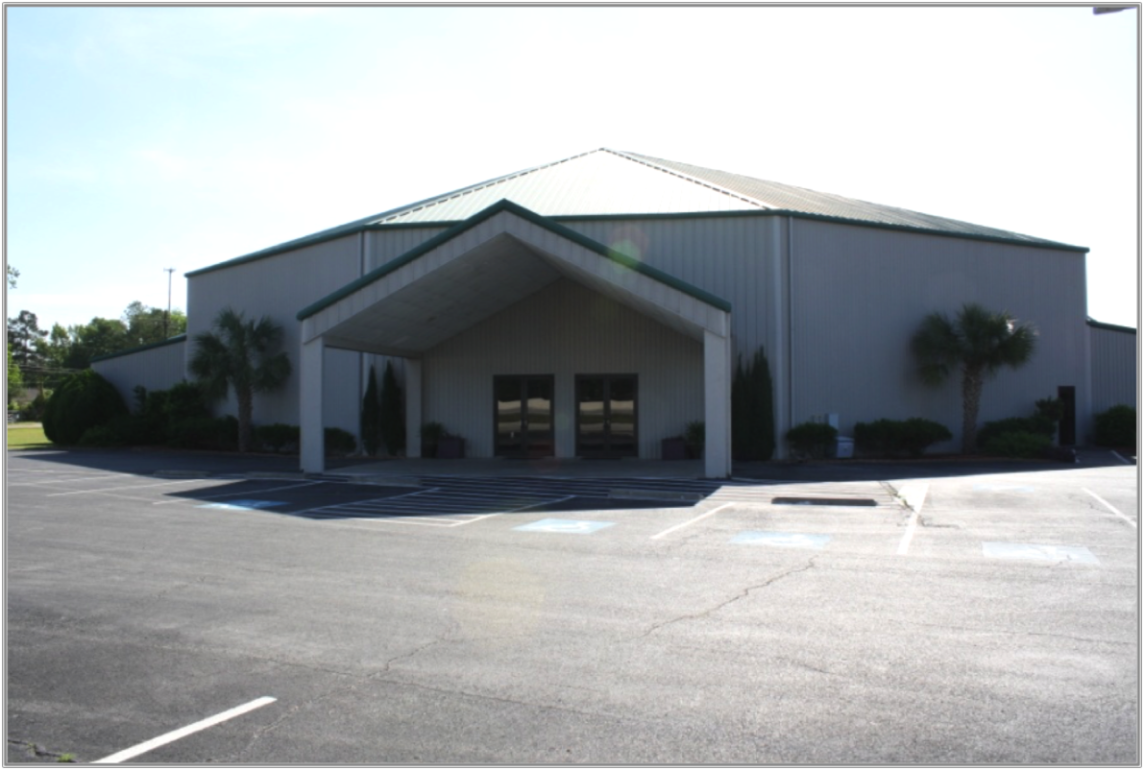
Church and Religious Building Roofing in Austin, TX
Commercial roofing for churches, worship centers, and religious facilities throughout Austin, TX.
Hyde Park Baptist Church in Austin has served Central Texas for well over a century, its campus in the Hyde Park neighborhood representing multiple eras of church construction and the full range of roofing challenges that come with a growing congregation that has expanded its facilities across different architectural periods. Austin's faith community has grown dramatically alongside the city itself, and the commercial roofing demands of a large Central Texas church, summer heat approaching 110 degrees at the membrane surface, hail seasons in spring and fall, and the occasional significant winter event, require a contractor with specific regional experience.
Central Texas's climate creates a demanding thermal environment for large clear-span church roofs. Summer surface temperatures on dark membrane systems in Austin regularly exceed 160 degrees Fahrenheit, driving thermal expansion and contraction cycles that work flashing sealants loose at penetrations, parapet caps, and expansion joints. The adoption of cool roof membranes, TPO or PVC systems with high solar reflectance, is both an energy code requirement in Texas's Climate Zone 2 and a sound operating economics decision for churches that run substantial air conditioning loads from April through October. The utility cost reduction from a reflective membrane on a 20,000-square-foot church roof is meaningful in Austin's electricity price environment.
Austin's well-documented hail seasons, which peak in spring and again in the fall, represent the most frequent cause of premature roof membrane damage for Central Texas churches. Travis County has recorded multiple large-hail events in the past decade, and the concentrated development in Austin's urban core means that a single hail storm can damage dozens of large church roofs simultaneously. Building committees that have recently replaced a roof should immediately photograph and document the new system's condition in detail, including date-stamped photos of seam quality and surface condition, so that storm damage can be distinguished from pre-existing conditions in a future insurance claim.
Clear-span nave construction in Austin churches spans several decades of materials and methods, from the steel moment frames of 1970s evangelical campuses to the engineered wood systems of contemporary suburban worship centers. Each era of construction carries its own roofing attachment challenges: older steel decks may have fastener back-out from decades of thermal cycling, while newer wood panel systems may have moisture-related swelling at panel joints that creates deck irregularities that must be addressed before new membrane installation. A pre-bid roof condition assessment that includes core cuts and fastener pull-out testing is essential for any Austin church roof replacement project over 10,000 square feet.
Steeples and architectural towers on Austin's historic churches, particularly the limestone-faced buildings in older neighborhoods like Travis Heights and Hyde Park, present specific flashing challenges. Texas limestone's thermal movement characteristics at Austin's temperature extremes create differential movement at flashing interfaces that flexible, high-elongation sealant systems are better equipped to manage than rigid metal flashing with limited expansion capacity. Annual inspection of these transitions, ideally before the onset of spring storm season, allows early detection of sealant joint opening before water infiltration has an opportunity to establish a pathway into the structure.
Scheduling around Austin's church calendar requires accommodating both the traditional religious season and the city's uniquely active calendar of special events. Several large Austin congregations host community programs, concerts, and nonprofit events throughout the year that make finding extended construction windows challenging. The most effective approach is a detailed facilities calendar review in January, three to four months before the target construction start, to identify the longest continuous windows of reduced building activity. For most Austin churches, this means June and early July represent the best opportunity for primary membrane installation work.
Austin's growth has produced a large number of newly planted churches occupying commercial buildings not originally designed for worship. These conversion projects, former big-box retail, warehouse, and office buildings adapted as church campuses, often have aging commercial roofing systems that were maintained to commercial investment property standards rather than the higher bar that a congregation might demand. Building committees for converted properties should commission an independent roof condition assessment before purchase or early in occupancy, because the previous commercial owner's maintenance records rarely reflect the actual condition of aging membrane systems.
The City of Austin Development Services Department requires building permits for commercial roof replacements and enforces Texas's amended International Energy Conservation Code requirements for commercial roofing in Austin's climate zone. Austin Energy, the city's municipal utility, also offers rebate programs for cool roof installations on commercial properties, including churches. The rebate amounts change periodically, but at current rates they can offset several thousand dollars of material cost on a large church roof project. Your contractor should be able to identify the current rebate program details and complete the required documentation as part of the project scope.
The most durable long-term investment a Central Texas church building committee can make in their roofing project is a contractor-agnostic maintenance agreement that begins the day the new roof warranty starts. Many Austin churches make the mistake of assuming that a new 20-year warranty means 20 years of no attention required. In reality, semi-annual inspections, annual drain cleaning, and prompt repair of any identified defects are required conditions of most manufacturer warranties, and failure to maintain these records can void warranty coverage at the moment it is most needed. A written maintenance agreement with a qualified local contractor is worth including in the original roofing project budget as a non-optional line item.
Leak points, drainage, seams, penetrations, edge metal, roof access, and interior risk should be clear before the next roof decision is priced.
Immediate repair, maintenance, coating, recover, and replacement choices should be measured against roof age, moisture risk, tenant disruption, and budget timing.
A site visit is useful when the owner needs a documented roof condition, active leak response, storm review, or a clearer capital plan.