
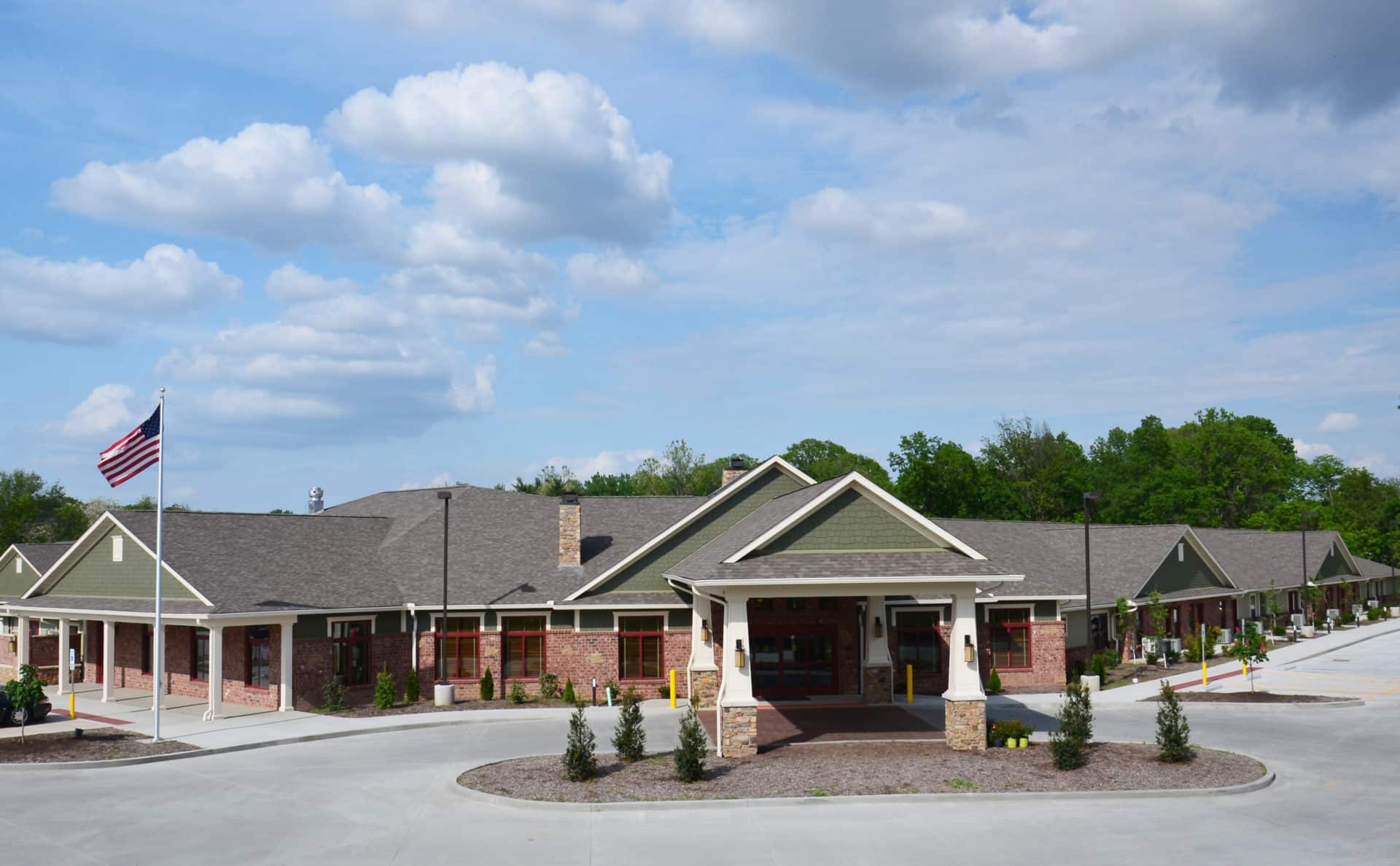
Senior Living Facility Roofing in Austin, TX
Senior Living Facility Roofing for commercial buildings across Austin.
Austin's warehouse inventory, from Del Valle's SH 130 logistics corridor to the East Austin industrial pockets, has added millions of square feet in the last decade. We scope, replace, and maintain large-deck commercial flat roofs sized for the operational demands of distribution and storage use.
Austin's warehouse market expanded significantly when SH 130 opened a viable alternative to I-35 for freight movement through the metro. The Del Valle corridor south of Austin-Bergstrom International Airport has absorbed large-format logistics and fulfillment development, tilt-wall buildings in the 200,000 to 500,000 sq ft range with TPO or modified-bitumen flat roofs on open steel deck. These buildings are now hitting the 7-to-12-year maintenance window where the first membrane decisions need to be made.
East Austin's older warehouse cluster, Airport Boulevard, Springdale Road, and the industrial pockets east of I-35 between MLK and 51st, is a different inventory profile: pre-2000 buildings with built-up roofing (BUR) or modified-bitumen systems that have been patched repeatedly and are often past the recover threshold. Full replacement with TPO is the correct scope on most of these buildings, but the scope decision depends on insulation condition data, not age alone.
Warehouse roofing in the Austin market has two climate variables that drive scope decisions. First, UV load: Austin's high-UV environment degrades uncoated modified bitumen faster than manufacturers' published timelines assume, particularly on roofs with minimal shade and maximum southern exposure. Second, the SH 130 corridor's exposure category, open terrain adjacent to the highway, pushes wind-uplift requirements into Exposure C for many buildings, which tightens fastener pattern density requirements and affects parapet attachment details.
Large-Deck Roof Replacement in the Del Valle Corridor
Del Valle's SH 130 logistics buildings are some of the largest single-roof-footprint commercial projects we scope. A 400,000 sq ft warehouse has a roof that requires phased tear-off and dry-in sequencing, opening the entire deck simultaneously is never the right plan. We divide large decks into 20,000 to 30,000 sq ft production zones, complete tear-off, insulation placement, and TPO membrane installation with same-day dry-in in each zone before moving to the next.
Tilt-wall construction dominates this corridor. The parapet-to-wall interface on tilt-wall panels is a documented chronic leak point, thermal movement at the metal coping cap degrades sealants on a 5-to-8-year cycle regardless of initial installation quality. Our scope walks on Del Valle tilt-wall buildings always include systematic documentation of coping joint condition, through-wall flashing condition, and interior drain leader pipe access. These details drive repair-vs-replace decisions independent of membrane condition.
Loading dock roof overhangs and exterior canopies on large warehouse buildings need separate scoping from the main field. Dock canopies have different drainage geometry, different wind exposure at the building edge, and in some buildings, different deck material than the main field. We scope them separately and include them in the same project when it is logistically practical to sequence the work.
East Austin Warehouse Inventory
The East Austin warehouse cluster predates the SH range from 1970s concrete-frame with aggregate-surfaced BUR systems to early-2000s steel-frame with modified bitumen. The 1970s and 1980s buildings in this cluster are the most common full-replacement candidates, BUR systems past their expected service life, insulation saturated beyond the recover threshold, and deck condition that requires inspection ports before any scope is finalized.
Austin's development pressure on East Austin has added an ownership transition layer: buildings purchased for redevelopment are sometimes in limbo, the owner knows redevelopment is 3 to 7 years out and does not want to invest in full replacement. In those cases, we scope minimum-intervention repairs to keep the building dry through the hold period rather than recommending full replacement that will be demolished. That is the honest scope for the situation.
Operating Constraints on Warehouse Roofing
Active warehouse operations create constraints that standard commercial roofing projects do not face. Forklift traffic through loading bays means crane positioning cannot block dock access without shutting down inbound freight, unacceptable to a 24/7 fulfillment operation. Material staging on the roof must account for live load limits on open steel deck. Roof access during production cannot coincide with rack replenishment operations directly below the tear-off zone.
We develop a construction logistics plan for every active-warehouse project before mobilization: dock access windows, roof staging zone load limits, daily production zone mapping shared with warehouse management the morning before each shift, and a communication protocol for the facility coordinator. The roof crew does not make operational decisions, the plan sets the rules before the project starts.
Can a warehouse roof be replaced while the building is in full operation?
Yes, with a phased sequence and a written logistics plan. We work in zones sized so that no section is open overnight and no zone's production footprint blocks dock access or interior aisles below. The sequence requires daily coordination with facility management, but full closure is not necessary on any warehouse project we have scoped in the Del Valle or East Austin corridors.
What is the right membrane for a large Austin warehouse?
TPO 60-mil is the standard specification for most Austin warehouse replacements, white reflective surface, heat-weldable seams, 20-year NDL warranty path, and good performance in Austin's UV environment. 80-mil is worth the additional cost per square for buildings near the SH 130 corridor with Exposure C wind classification or documented hail history. Modified bitumen recover is sometimes appropriate for buildings with dry insulation and BUR base that are not yet at the replacement threshold.
Does the City of Austin or Travis County require permits for large warehouse re-roofing?
Yes. The City of Austin Development Services Department requires a permit for commercial re-roofing projects. Del Valle properties may fall under Travis County jurisdiction rather than City of Austin jurisdiction depending on the parcel, we confirm the permitting authority during pre-construction setup and pull the applicable permit. Permit timelines in Travis County have run 10 to 20 business days for large commercial projects.
Get a written scope for your Austin warehouse roof.
Our project managers cover the Del Valle corridor, East Austin, and all Travis and Williamson County industrial submarkets. We deliver a written condition report with moisture core data within five business days of the site visit.
Senior Living Facility Roofing in Austin, TX is regulated by Life Safety Code requirements, CMS compliance standards, and state health agency rules that apply to skilled nursing, assisted living, and memory care facilities. Any roofing work at a licensed senior living facility in Austin must be coordinated with the facility administrator and the infection control program before work begins. Dust, debris, and airborne particulates entering resident spaces from an open roof section can trigger a state inspection finding, regardless of how minor the contractor's activity appears from the outside.
Occupied building sequencing for senior living facility roofing means working wing by wing, building a temporary protection system over each open section before residents below are exposed to weather risk, and restoring roof integrity before moving to the next phase. HVAC systems at senior living facilities in Austin must maintain continuous temperature and humidity control for resident comfort and infection prevention. Any roofing activity that disrupts mechanical equipment, penetrations, or unit curbs requires advance coordination with the facility's maintenance director and an approved contingency plan for occupied wing protection.
Regulatory inspections by CMS surveyors and state licensing agencies create real stakes for senior living facility roofing documentation. A roof in poor condition can appear as a maintenance deficiency in a survey report, which can affect the facility's operational license. Commercial Roofing provides roof condition documentation that uses plain language accessible to non-technical reviewers, photographs that show the current state of each roof section, and a priority-ranked repair or replacement recommendation that facility ownership can present to a board or equity partner.
Regional senior housing operators in Austin, including assisted living portfolios, nonprofit continuing care retirement communities, and publicly funded skilled nursing facilities, all require contractors who understand both the technical and regulatory dimensions of senior living facility roofing. Call or reach us at to discuss a roofing assessment for your Austin senior living property.
CMS conditions of participation, state health agency licensing standards, and NFPA Life Safety Code requirements all create roofing-adjacent obligations that affect how work is sequenced, documented, and reported.
We coordinate with the infection control officer, seal off roof access points to prevent dust entry, and limit open sections to areas that can be isolated from HVAC return air paths serving resident spaces.
Yes, but only with a phased plan that keeps each open section protected at the end of every work day and maintains HVAC continuity for resident comfort and regulatory compliance.
A written scope, contractor insurance certificates, an infection control plan, daily work logs, and a final condition report with photographs. CMS surveyors may ask to see contractor documentation during a survey visit.
Leak points, drainage, seams, penetrations, edge metal, roof access, and interior risk should be clear before the next roof decision is priced.
Immediate repair, maintenance, coating, recover, and replacement choices should be measured against roof age, moisture risk, tenant disruption, and budget timing.
A site visit is useful when the owner needs a documented roof condition, active leak response, storm review, or a clearer capital plan.