
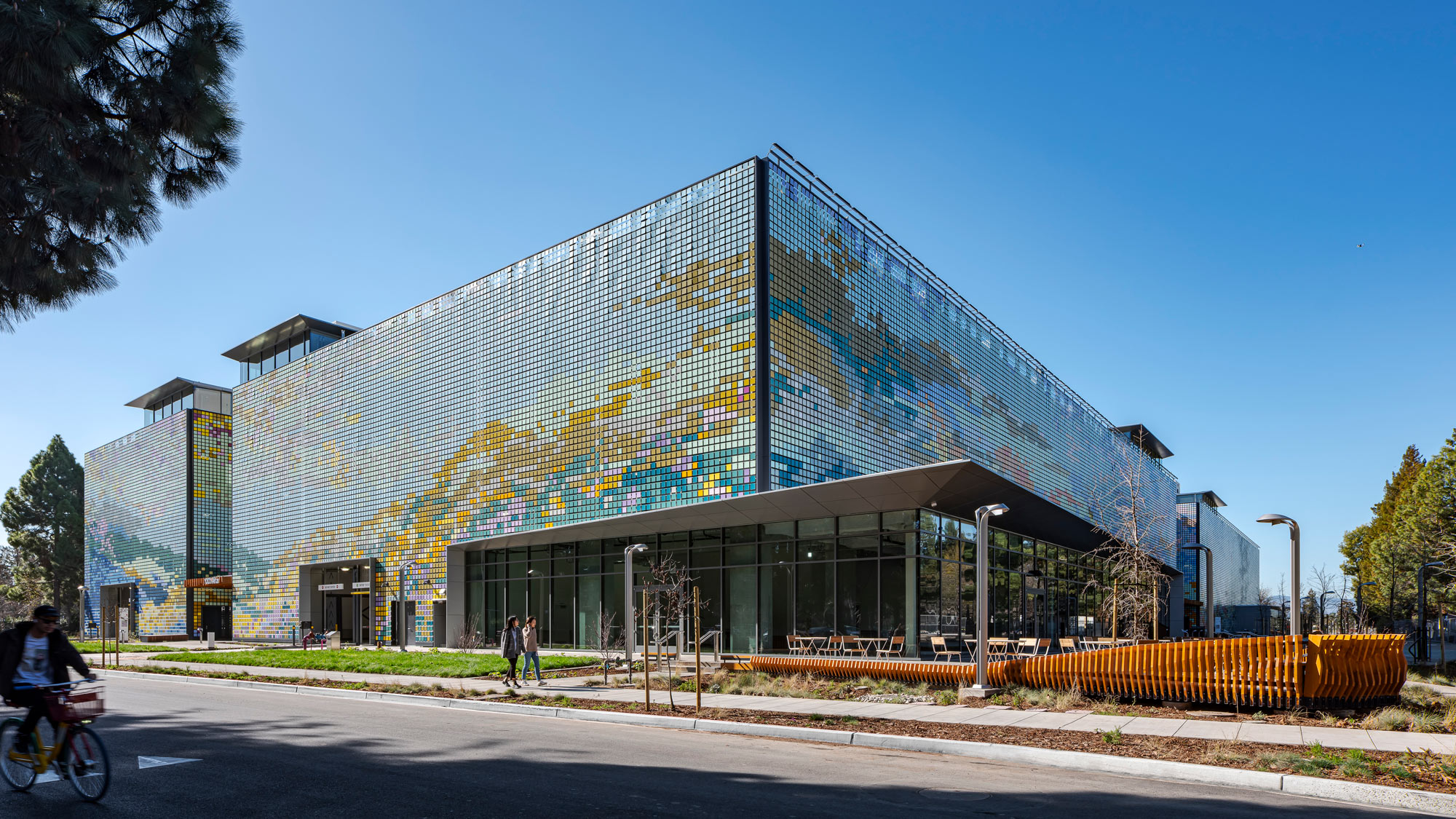
Parking Structure & Deck Waterproofing in Austin, TX
Austin's commercial market stretches from the Domain and North Austin tech corridor along US-183 to the South Lamar and East Cesar Chavez redevelopment zones, with major industrial activity in Round Rock and Pflugerville. Parking structures in this market are among the highest-risk roofing scopes for deferred maintenance, concrete deck deterioration from chloride intrusion progresses invisibly until visible spalling and rebar corrosion require structural remediation far more expensive than the waterproofing that would have prevented it.
Parking structure waterproofing in Austin intersects with building code requirements that apply specifically to below-grade and deck-level waterproofing in occupied structures. The applicable standards, IBC Section 1807 for below-grade waterproofing and referenced ASTM standards for traffic-bearing deck systems, set minimum performance requirements for waterproofing systems that protect occupied space below. When a parking deck is above retail, residential, or office space, the waterproofing system is a life-safety-adjacent assembly: failure allows water into occupied areas and can create structural conditions that affect occupancy.
ADA compliance is a code-level requirement that interacts with parking deck waterproofing in Austin. The aggregate broadcast on traffic-bearing deck surfaces affects slip resistance at ADA-designated accessible spaces and accessible routes within the structure. ASTM C1028 slip resistance testing at accessible spaces is required to confirm ADA compliance at closeout. We perform and document slip resistance testing at all ADA-designated spaces and accessible routes as a standard closeout deliverable, not as an optional add-on.
Environmental compliance for parking deck waterproofing in Austin includes stormwater management during construction and waste disposal for demolished waterproofing materials. Grinding and scarifying deteriorated concrete generates dust that requires containment under local air quality regulations. Waterproofing material waste, including solvents, membrane scraps, and contaminated mixing equipment, is disposed of according to TX's solid waste and hazardous materials regulations. We provide waste disposal documentation as part of the project closeout package.
Parking Structure Waterproofing, Compliance Questions
The primary reference standards are IBC Section 1807 (waterproofing and dampproofing of foundations and below-grade structures), ASTM C836 (high-solids content cold-liquid applied elastomeric waterproofing), and ASTM C1770 (traffic-bearing waterproofing systems). For parking decks above occupied space, local jurisdictions may impose additional requirements beyond minimum code, confirm the specific requirements with the Austin building department during permit application. We include code compliance documentation in our permit submittals as a standard practice.
ADA documentation at parking deck closeout includes: slip resistance test results (ASTM C1028) at all ADA-designated accessible spaces, accessible routes, and ramp surfaces; photographic documentation of accessible space striping restoration after membrane work; and confirmation that curb cuts, accessible route transitions, and signage were restored to pre-construction condition or improved. The slip resistance test report is included in the project closeout package and is available for ADA compliance file.
Concrete grinding and scarifying operations require dust containment, typically wet grinding methods or vacuum-assisted dry grinding that captures dust at the source. If asbestos-containing materials were used in the original deck construction (pre-1980 structures), abatement documentation is required before waterproofing can proceed. Solvent-containing primers and adhesives are applied in compliance with TX's VOC limits. All waste materials are disposed of in compliance with TX's solid waste regulations, with disposal manifests provided at closeout.
A building permit is typically required for parking deck waterproofing in Austin when the work involves concrete removal (structural repair), drain replacement, or expansion joint reconstruction. Pure membrane replacement on a structurally sound deck may qualify as a maintenance repair in some jurisdictions, confirm with the building department before assuming no permit is required. Permitted work requires inspection at substrate preparation (before membrane application), pre-cover (before topcoat), and final (completed and cured). We manage the permit application and inspection scheduling as part of our standard pre-construction process.
Polyurethane and MMA waterproofing materials used in enclosed parking structures are required to meet fire code requirements for materials installed in parking garages, typically Class A flame spread rating. Primer and adhesive products used in enclosed or semi-enclosed structures must have VOC content and flame spread characteristics acceptable for use in occupied garages per NFPA 88A (Standard for Parking Structures). We specify only products with compliant fire code ratings for garage-type occupancy and provide product data sheets confirming compliance with the permit submittal.
Commercial roofing for parking structure & deck waterproofing in Austin, TX, specifications, scheduling, and project coordination for this building type.
Austin's warehouse inventory, from Del Valle's SH 130 logistics corridor to the East Austin industrial pockets, has added millions of square feet in the last decade. We scope, replace, and maintain large-deck commercial flat roofs sized for the operational demands of distribution and storage use.
Austin's warehouse market expanded significantly when SH 130 opened a viable alternative to I-35 for freight movement through the metro. The Del Valle corridor south of Austin-Bergstrom International Airport has absorbed large-format logistics and fulfillment development, tilt-wall buildings in the 200,000 to 500,000 sq ft range with TPO or modified-bitumen flat roofs on open steel deck. These buildings are now hitting the 7-to-12-year maintenance window where the first membrane decisions need to be made.
East Austin's older warehouse cluster, Airport Boulevard, Springdale Road, and the industrial pockets east of I-35 between MLK and 51st, is a different inventory profile: pre-2000 buildings with built-up roofing (BUR) or modified-bitumen systems that have been patched repeatedly and are often past the recover threshold. Full replacement with TPO is the correct scope on most of these buildings, but the scope decision depends on insulation condition data, not age alone.
Warehouse roofing in the Austin market has two climate variables that drive scope decisions. First, UV load: Austin's high-UV environment degrades uncoated modified bitumen faster than manufacturers' published timelines assume, particularly on roofs with minimal shade and maximum southern exposure. Second, the SH 130 corridor's exposure category, open terrain adjacent to the highway, pushes wind-uplift requirements into Exposure C for many buildings, which tightens fastener pattern density requirements and affects parapet attachment details.
Large-Deck Roof Replacement in the Del Valle Corridor
Del Valle's SH 130 logistics buildings are some of the largest single-roof-footprint commercial projects we scope. A 400,000 sq ft warehouse has a roof that requires phased tear-off and dry-in sequencing, opening the entire deck simultaneously is never the right plan. We divide large decks into 20,000 to 30,000 sq ft production zones, complete tear-off, insulation placement, and TPO membrane installation with same-day dry-in in each zone before moving to the next.
Tilt-wall construction dominates this corridor. The parapet-to-wall interface on tilt-wall panels is a documented chronic leak point, thermal movement at the metal coping cap degrades sealants on a 5-to-8-year cycle regardless of initial installation quality. Our scope walks on Del Valle tilt-wall buildings always include systematic documentation of coping joint condition, through-wall flashing condition, and interior drain leader pipe access. These details drive repair-vs-replace decisions independent of membrane condition.
Loading dock roof overhangs and exterior canopies on large warehouse buildings need separate scoping from the main field. Dock canopies have different drainage geometry, different wind exposure at the building edge, and in some buildings, different deck material than the main field. We scope them separately and include them in the same project when it is logistically practical to sequence the work.
East Austin Warehouse Inventory
The East Austin warehouse cluster predates the SH range from 1970s concrete-frame with aggregate-surfaced BUR systems to early-2000s steel-frame with modified bitumen. The 1970s and 1980s buildings in this cluster are the most common full-replacement candidates, BUR systems past their expected service life, insulation saturated beyond the recover threshold, and deck condition that requires inspection ports before any scope is finalized.
Austin's development pressure on East Austin has added an ownership transition layer: buildings purchased for redevelopment are sometimes in limbo, the owner knows redevelopment is 3 to 7 years out and does not want to invest in full replacement. In those cases, we scope minimum-intervention repairs to keep the building dry through the hold period rather than recommending full replacement that will be demolished. That is the honest scope for the situation.
Operating Constraints on Warehouse Roofing
Active warehouse operations create constraints that standard commercial roofing projects do not face. Forklift traffic through loading bays means crane positioning cannot block dock access without shutting down inbound freight, unacceptable to a 24/7 fulfillment operation. Material staging on the roof must account for live load limits on open steel deck. Roof access during production cannot coincide with rack replenishment operations directly below the tear-off zone.
We develop a construction logistics plan for every active-warehouse project before mobilization: dock access windows, roof staging zone load limits, daily production zone mapping shared with warehouse management the morning before each shift, and a communication protocol for the facility coordinator. The roof crew does not make operational decisions, the plan sets the rules before the project starts.
Can a warehouse roof be replaced while the building is in full operation?
Yes, with a phased sequence and a written logistics plan. We work in zones sized so that no section is open overnight and no zone's production footprint blocks dock access or interior aisles below. The sequence requires daily coordination with facility management, but full closure is not necessary on any warehouse project we have scoped in the Del Valle or East Austin corridors.
What is the right membrane for a large Austin warehouse?
TPO 60-mil is the standard specification for most Austin warehouse replacements, white reflective surface, heat-weldable seams, 20-year NDL warranty path, and good performance in Austin's UV environment. 80-mil is worth the additional cost per square for buildings near the SH 130 corridor with Exposure C wind classification or documented hail history. Modified bitumen recover is sometimes appropriate for buildings with dry insulation and BUR base that are not yet at the replacement threshold.
Does the City of Austin or Travis County require permits for large warehouse re-roofing?
Yes. The City of Austin Development Services Department requires a permit for commercial re-roofing projects. Del Valle properties may fall under Travis County jurisdiction rather than City of Austin jurisdiction depending on the parcel, we confirm the permitting authority during pre-construction setup and pull the applicable permit. Permit timelines in Travis County have run 10 to 20 business days for large commercial projects.
Get a written scope for your Austin warehouse roof.
Our project managers cover the Del Valle corridor, East Austin, and all Travis and Williamson County industrial submarkets. We deliver a written condition report with moisture core data within five business days of the site visit.
Leak points, drainage, seams, penetrations, edge metal, roof access, and interior risk should be clear before the next roof decision is priced.
Immediate repair, maintenance, coating, recover, and replacement choices should be measured against roof age, moisture risk, tenant disruption, and budget timing.
A site visit is useful when the owner needs a documented roof condition, active leak response, storm review, or a clearer capital plan.