
Wind & Storm Damage Roof Insurance Claims in Austin, TX
Central Texas severe thunderstorm season regularly puts straight-line wind, downbursts, and tornado-warned supercells across the Austin metro, and commercial roofs on the exposed, wide-span buildings along the I-35 and MoPac corridors take the direct load. On a low-slope membrane roof, wind doesn't rip the whole system off cleanly, it finds the weak point at a lap, a fastener pattern, or an edge detail, and works the failure from there. Documenting that failure correctly is the difference between a claim that closes clean and one that stalls on cause-of-loss disputes.
We're your roofing contractor, not a public adjuster, we document and substantiate the wind and storm damage so you and your adjuster work from an accurate scope. Our documentation identifies the specific failure mode at each damaged location instead of a general description of storm damage.
How Wind Damages a Commercial Roof in Austin
Severe thunderstorms moving across the metro produce gusts that load a flat roof from multiple directions as the storm cell passes, and the highest stress concentrates at parapets, roof edges, and rooftop equipment curbs, exactly where membrane attachment is most vulnerable. On TPO and PVC systems, that shows up as membrane displacement at laps and seams, edge metal or coping that has separated or lifted, and flashing pulled loose at penetrations. Tornado-warned storms that never produce a confirmed touchdown still generate straight-line and downburst winds capable of this kind of damage, the tornado warning itself is a marker of a severe event, not a requirement for a wind claim.
Rooftop mechanical equipment adds another failure mode: HVAC units and curbs that shift under wind load can tear the membrane at the curb flashing even when the field membrane elsewhere is undamaged. We inspect equipment mounting and curb flashing as a standard part of every wind damage assessment on a commercial roof.
Documenting Wind Damage for the Claim
Our wind assessment identifies the displacement pattern at every affected location, confirms the failure mode, distinguishing storm-related damage from a pre-existing installation defect that a carrier could dispute as unrelated to the claimed event, and documents each item with GPS-keyed, timestamped photography. We measure linear footage of affected edge metal and flashing, note equipment and curb damage separately from field membrane damage, and tie the documented damage to a confirmed severe-weather event using National Weather Service storm data for the Austin/San Antonio forecast area.
That storm-versus-pre-existing distinction is one of the most common points of dispute on wind claims, and it's why the documentation has to be specific about failure mode rather than a general "wind damage observed" note. A lap that separated because of wind uplift looks different, on close inspection, than a lap that was under-welded at installation and finally failed under any load. We document which one we're looking at.
Hurricane Remnants and Heavy Rain Events
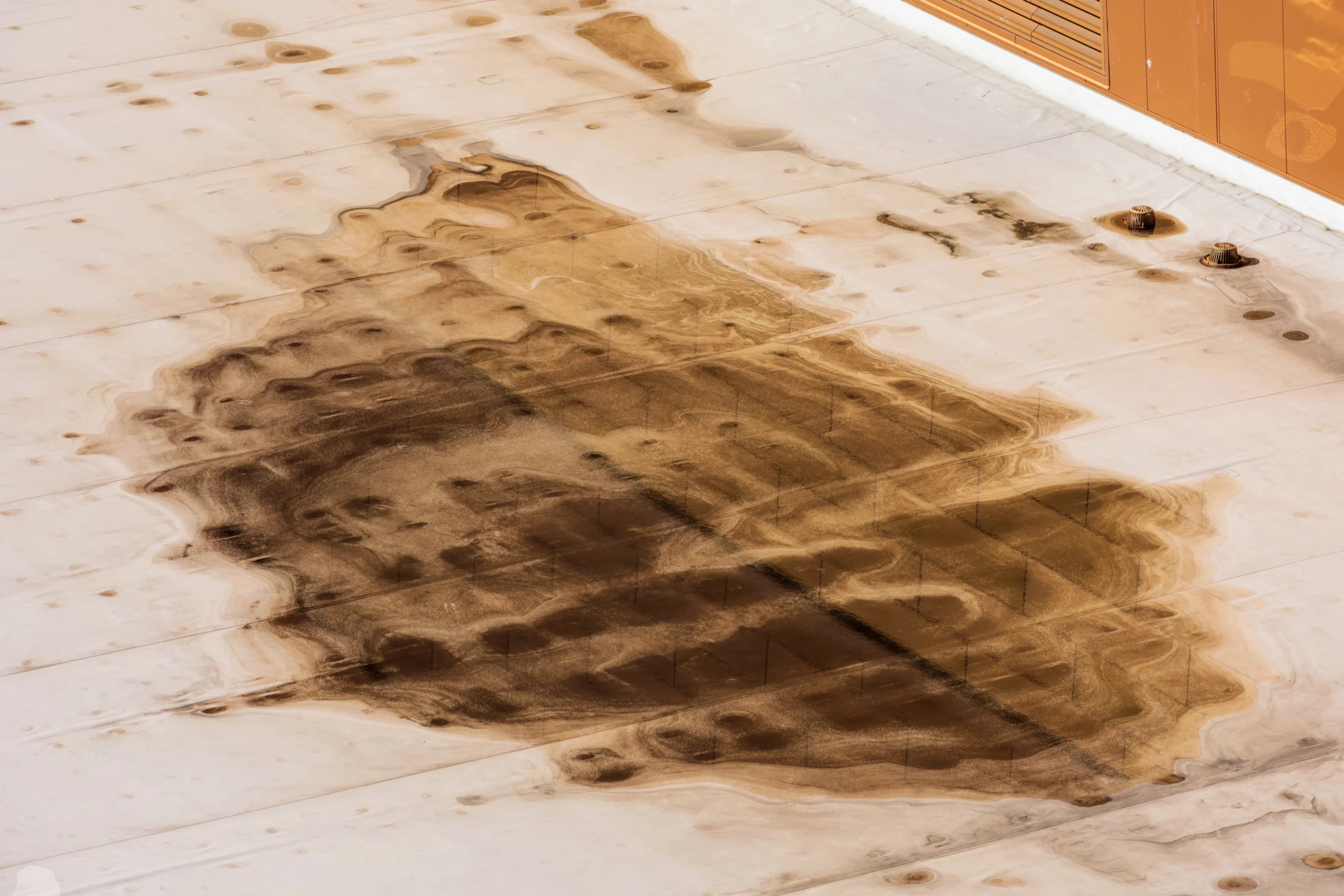
Austin doesn't take direct hurricane landfall, but Gulf storm remnants tracking north occasionally bring sustained high wind and heavy, sustained rainfall through Central Texas well after the storm has weakened off the coast. On a commercial roof, that combination stresses membrane laps under wind load at the same time it's testing the drainage system's capacity, a roof with marginal drainage or aging seams can develop leaks during a remnant event that wouldn't show up in a typical thunderstorm. We document wind and water damage from these events using the same GPS-keyed, photo-logged approach, including drain and ponding evidence where the rainfall volume is part of the damage picture.
Meeting the Adjuster After a Wind Event
We can meet your carrier's adjuster on the roof with our displacement map and photo log in hand. Walking the failure points together, showing the specific lap, flashing, or curb where the damage originated, keeps the inspection anchored to documented evidence instead of a general impression of storm damage. If the adjuster's assessment attributes a failure to installation rather than wind, we can walk through the specific evidence supporting the storm-related failure mode.
Wind & Storm Claim Questions
How is a wind claim different from a hail claim on the same roof?
Wind damage concentrates at edges, laps, flashings, and equipment curbs as displacement or separation. Hail damage spreads across the open field of the membrane as impact impressions. A single storm event can produce both, and we document each type separately since they're evaluated differently by most carriers.
What if the storm didn't produce a confirmed tornado?
That doesn't disqualify the claim. Straight-line wind and downburst wind from a severe thunderstorm, tornado-warned or not, can produce covered wind damage. We document the actual roof damage and tie it to the confirmed storm event, regardless of whether a tornado touched down.
Can wind damage be hidden until the next rain?
Yes. A lap that's partially separated but not yet leaking can look fine until the next rain event pushes water through the opening. We check membrane attachment at every lap and seam in the affected area, including points that aren't already visibly failed.
Get your roof documented after a wind or storm event.
Send the roof address and the storm date if known. We'll schedule a documented wind damage assessment before your policy's claim-filing window closes.
Leak points, drainage, seams, penetrations, edge metal, roof access, and interior risk should be clear before the next roof decision is priced.
Immediate repair, maintenance, coating, recover, and replacement choices should be measured against roof age, moisture risk, tenant disruption, and budget timing.
A site visit is useful when the owner needs a documented roof condition, active leak response, storm review, or a clearer capital plan.