
Restaurant and Food Service Building Roofing in Austin, TX
Commercial roofing for restaurants, quick-service chains, breweries, and food service facilities throughout Austin, TX.
Austin's restaurant scene has transformed dramatically over the past decade, evolving from a university-town bar and live music corridor into a nationally recognized food destination with James Beard nominations clustering in East Austin neighborhoods, a South Congress dining strip that draws visitors year-round, and a suburban fast casual and QSR buildout along major corridors like Research Boulevard, Slaughter Lane, and William Cannon that mirrors the city's explosive population growth. Brands like P. Terry's, Torchy's Tacos, and Franklin Barbecue have defined a local food identity alongside every major national chain, and all of these businesses share the same roofing vulnerability: flat or low-slope commercial roofs that must handle Texas heat, hail, and the increasingly severe storms that mark Austin's spring season.
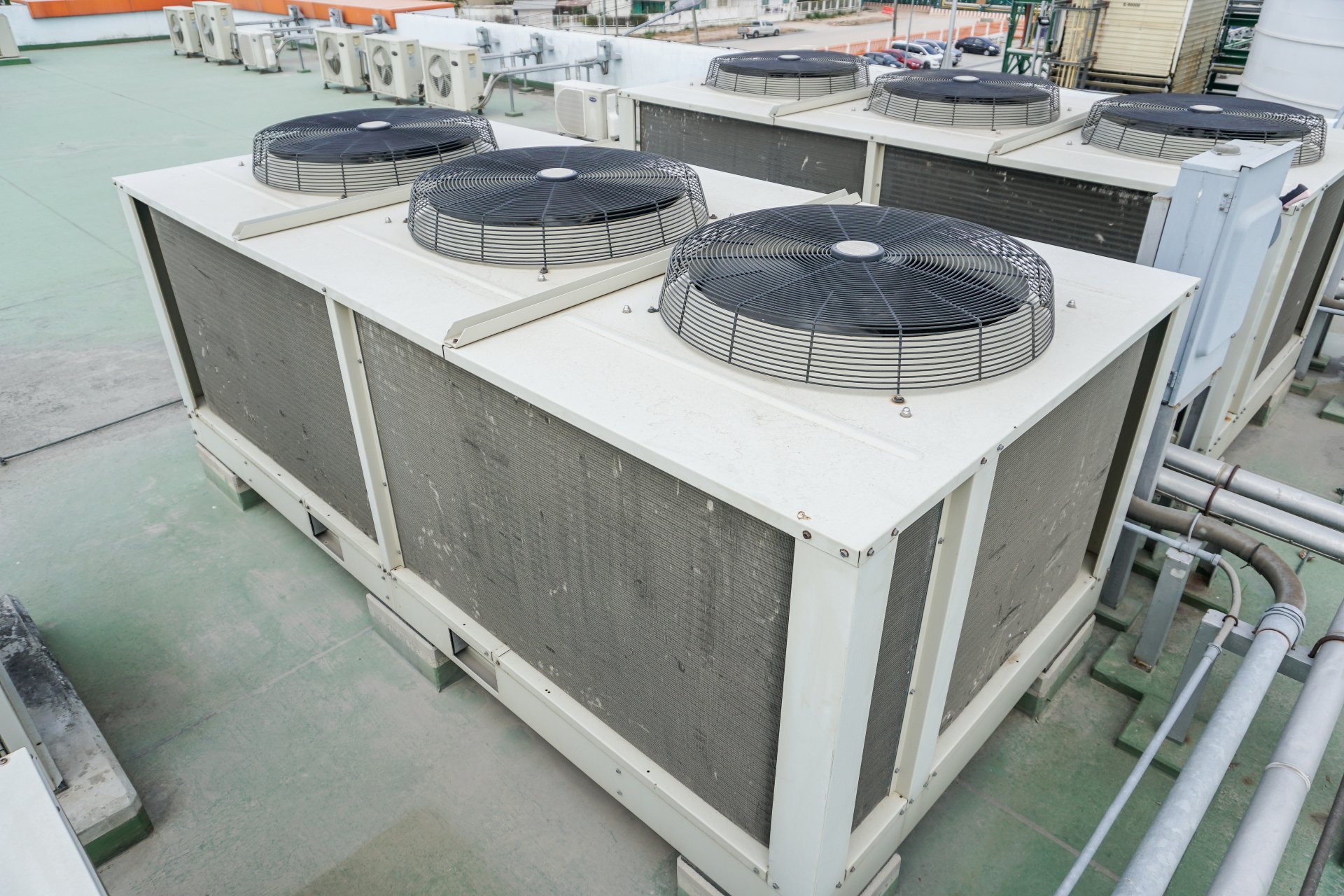
Grease exhaust systems on Austin restaurant roofs require particular attention because the city's warm climate means kitchen exhaust fans run year-round with minimal seasonal shutdown periods that might otherwise allow for thorough inspection and re-sealing. A barbecue restaurant on East Sixth Street or a high-volume taco concept on South Lamar runs its exhaust system through nearly every operating hour of every day, generating a continuous grease load at roof penetrations that must be managed through chemical-resistant flashing materials and regular cleaning protocols. Austin's restaurant operators who skip annual grease penetration maintenance typically discover the cost of deferred care when a routine inspection reveals membrane delamination in a ring around every exhaust penetration.
Austin's hail exposure rivals that of the Dallas Metroplex for frequency and severity, with spring hailstorms capable of depositing baseball-sized hailstones on commercial roofs along the I-35 corridor. For restaurant operators, a single significant hail event can damage rooftop HVAC equipment, puncture membrane materials, and compromise exhaust fan housings, none of which is immediately obvious from the ground. Restaurant operators who sign roofing service agreements with post-storm inspection provisions don't have to wonder whether last Tuesday's storm caused damage they haven't found yet; their contractor calls them. Impact-resistant TPO membranes and hail guards on rooftop equipment are worth evaluating for any Austin food service building.
The ghost kitchen and commissary kitchen sector has grown rapidly in Austin, with facilities in East Austin's light industrial zones and along the Airport Boulevard corridor serving delivery demand from multiple restaurant brands under single roofs. These buildings are often former warehouse or flex-space structures whose original roofs weren't designed for the mechanical equipment density or the penetration count that commercial kitchen operations require. Before a ghost kitchen operator signs a lease in one of these spaces, a roofing assessment should be part of due diligence, discovering that the existing roof needs full replacement after equipment installation begins is a scenario that derails timelines and budgets simultaneously.
Walk-in coolers and freezers in Austin restaurants face stress from the temperature extremes on both ends of the spectrum. In summer, when ambient temperatures routinely exceed 100°F, the contrast between the cooler surface temperature and the surrounding rooftop environment creates condensation and thermal cycling that fatigues flashings. In winter, while Austin winters are mild by national standards, the occasional hard freeze, including events like the 2021 winter storm, creates flash ice at roof penetrations and on equipment mounts that can force flashings open. Cooler penetration flashings that are maintained annually hold up through both extremes; those that are only addressed reactively tend to fail during the events that matter most.
Austin's health inspection framework, administered through Austin Public Health, treats ceiling conditions in food prep areas as a direct food safety concern. Evidence of active leaks, water staining, or mold on overhead surfaces in any area where food is prepared, stored, or served can result in required corrective action and reinspection. For restaurant operators in Austin's competitive dining market, a failed health inspection isn't just a compliance event, it circulates on social media within hours and can meaningfully affect revenue for weeks. A well-maintained roof is part of the operational discipline that keeps food service businesses competitive in a city where diners have abundant alternatives.
Brewery and taproom operations in Austin, including the concentration of craft breweries in the East Austin brewery district along Cesar Chavez and East Sixth Street, present roofing challenges that differ from standard restaurant buildings. Brewing operations generate substantial steam through mash tun venting and kettle exhaust, and the combination of steam, CO2 from fermentation, and the caustic cleaning chemicals used in CIP (clean-in-place) systems creates an aggressive environment for roof membrane materials and flashing sealants. Breweries that install standard restaurant-grade flashing materials on their steam and exhaust penetrations often find premature failures within three to five years; materials rated for chemical and steam exposure last significantly longer.
TPO membrane systems are the dominant specification for new Austin restaurant roofs, and the energy case is compelling: with Austin's sun intensity and summer peak cooling demand, a white reflective roof can reduce rooftop surface temperatures by 60°F or more compared to dark modified bitumen, translating to measurable reductions in HVAC runtime that show up on monthly electric bills. For restaurant operators managing significant cooling costs in buildings where kitchen heat load compounds outdoor heat, the reflective membrane premium typically pays back within two to three Austin summers. Some Austin operators also qualify for Austin Energy rebates on cool roof installations, which should be factored into any replacement cost analysis.
Scheduling roofing work around Austin's restaurant calendar requires understanding the city's unique event-driven revenue patterns. SXSW in March, Austin City Limits Music Festival in October, UT home football Saturdays from September through November, and Formula 1 weekend at COTA in late October are periods when restaurant revenue peaks and any operational disruption is disproportionately costly. A roofing contractor who works regularly with Austin food service clients will flag these dates before scheduling project start times and build a work plan that completes the most disruptive phases outside these windows, protecting the operator's revenue while still moving the project forward.
Leak points, drainage, seams, penetrations, edge metal, roof access, and interior risk should be clear before the next roof decision is priced.
Immediate repair, maintenance, coating, recover, and replacement choices should be measured against roof age, moisture risk, tenant disruption, and budget timing.
A site visit is useful when the owner needs a documented roof condition, active leak response, storm review, or a clearer capital plan.