
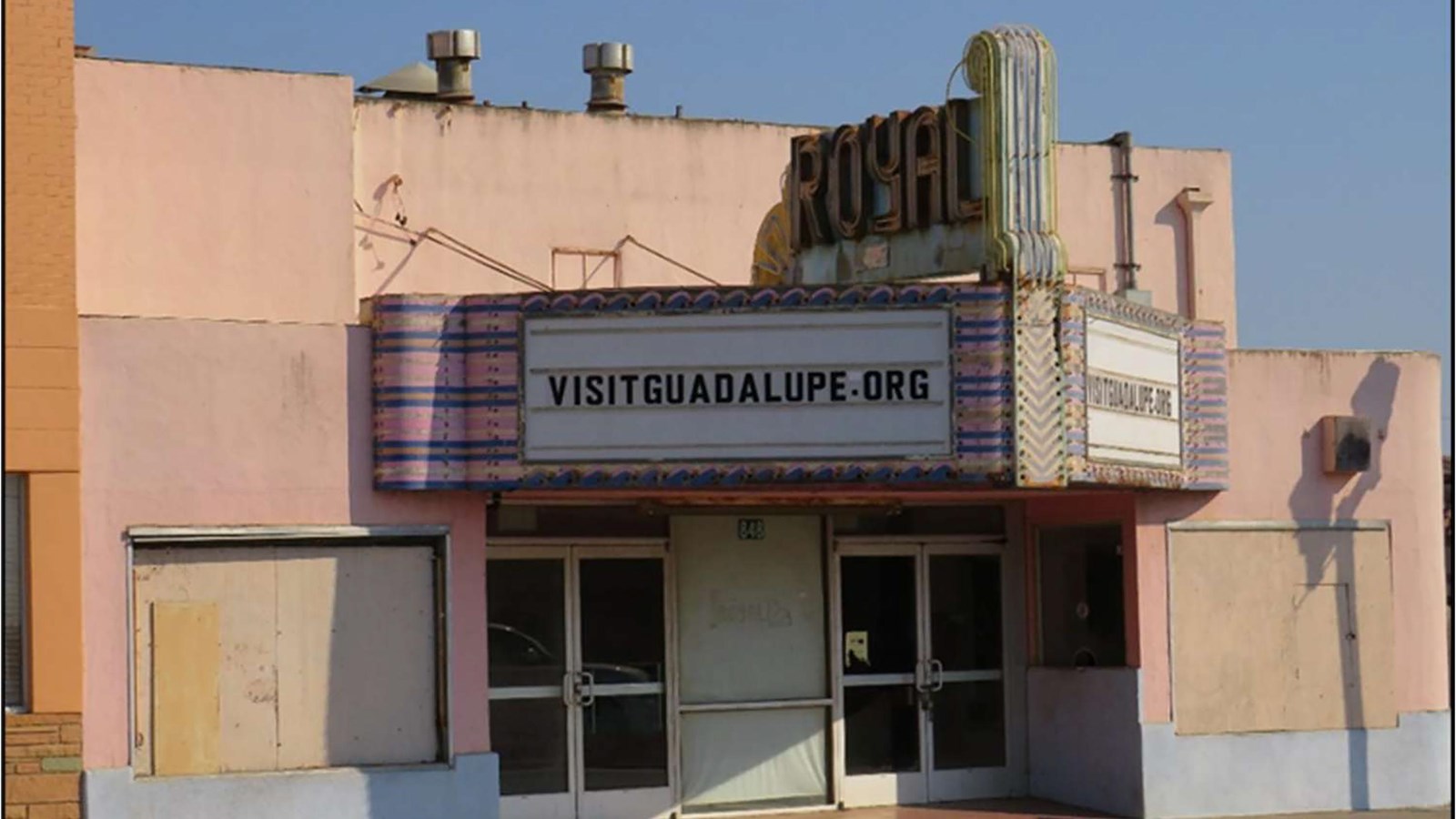
Movie Theater & Cinema Roofing in Austin, TX
On a Cinema Roof, the Audience Can Hear Everything We Do
Most commercial roofs only have to keep the weather out. A movie theater roof has to keep the weather out and the room silent. Sit in a dark auditorium during an Austin thunderstorm and, on a poorly built roof, you will hear every drop. That single requirement shapes how we approach every cinema we work on, whether it is one of the dine-in theaters that Austin practically invented, a multiplex out along the I-35 and US-183 retail corridors, or a renovated single-screen house in a walkable district. The roof is part of the show, and when it is right, nobody in the audience ever thinks about it.
Enormous Clear Spans Over a Single Dark Room
An auditorium is one of the largest column-free spaces in any commercial building. To hang a wall-to-wall screen and rake the seating, the structure carries a very long clear span with nothing underneath to support the deck across its middle. That makes the roof both impressive and demanding. Long-span decks flex and move more than ordinary roofs, and Austin works them hard, with surface temperatures that swing dramatically between a cool morning and a blistering summer afternoon. Across a deck that wide, that daily expansion and contraction is substantial, and a roof system that cannot move with it will split at the seams and flashings.
We detail cinema roofs to accommodate that movement deliberately. That means membrane systems that tolerate thermal cycling, properly designed expansion joints where large roof areas meet, and flashings built with enough slack to flex rather than tear. On multiplexes, where several auditoriums sit side by side, the roof becomes a series of large bays separated by valleys and joints, and getting the transitions right is most of the job.
- Very long clear-span decks with significant deflection and thermal movement over a single room
- Expansion joints between auditoriums that must flex without leaking
- Heavy rooftop HVAC sized to cool a full house, concentrated over occupied seating
- Tall parapets and screen walls that complicate drainage and flashing
Acoustic Isolation Built Into the Roof Assembly
Quiet is not an accident; it is engineered into the roof assembly. Rain noise, hail, and the drone of rooftop equipment all reach the audience through the deck and the structure unless the assembly is built to stop them. We approach a cinema roof with sound in mind from the deck up: mass and insulation layered to dampen impact noise, mechanical units isolated so their vibration does not telegraph into the seating below, and curbs detailed to break the path that carries equipment hum into the room. When we set or reset a rooftop unit over an auditorium, where it lands and how it is isolated matters as much as how it is flashed, because a poorly mounted condenser turns into a low rumble during the quiet scenes.
This is also why we are careful about what we add to the roof. Skylights and lightweight panels that might be fine over a lobby are a liability over an auditorium, where they become drum heads in a storm. We keep the auditorium roof as a continuous, well-damped assembly and steer daylighting toward the public spaces where noise does not matter.
Draining the Big Flat Bays Between the Parapets
Cinema roofs tend to be large, low-slope expanses ringed by tall parapets and broken up by the screen walls that rise at the front of each auditorium. Those parapets and walls trap water and funnel it toward internal drains, and when an Austin downpour comes up fast out of the Hill Country, those drains have to keep up or the water pools in the low bays. Ponding over an auditorium is the worst place to have it, both for the structural load and because that is the roof you least want to be repairing. We keep cinema drainage generous, with clear primary drains, tapered insulation to push water where it should go, and overflow scuppers so a single clogged drain in a storm never floods a bay over a full house.
Systems We Install on Austin Cinemas
We choose based on the deck, the acoustic demands, and how the building is run.
- TPO and PVC single-ply for reflectivity over huge fields and clean detailing around equipment and joints
- Multi-ply and modified bitumen where added mass helps dampen rain and hail noise over auditoriums
- Reflective coatings and restoration to cut cooling load on a building that runs cold all day without a disruptive tear-off
- Engineered expansion joints between auditorium bays to handle thermal movement on long spans
A theater's quiet hours are short and its busy hours are exactly when silence matters most. We schedule the loud work, the tear-off and the fastening, for mornings and weekday daytime when auditoriums are dark, and we keep heavy and noisy operations off the roof during evening and weekend shows. We stage materials so we never block lobbies or exits, and we protect the spaces below whenever we open a section of deck. The goal is simple: the audience watching the late show should have no idea there is a roofing crew finishing up for the day.
Maintenance That Protects the Screening Room
A cinema cannot afford a leak over a screen, a projector, or a packed auditorium, and it cannot afford the noise of a flashing that has worked loose on a vibrating unit. We put theaters on a maintenance schedule that gets us on the roof twice a year and after major storms, checking equipment isolation and curbs, clearing drains of the debris that collects around Austin's live oaks, and resealing details before they let go. We document each visit with photos and a plain-language summary, so whether you run an independent single-screen house or manage a multiplex circuit, you always know the condition of the roof over your audience.
If your theater's roof is leaking, telegraphing storm noise into the seats, or simply due for honest evaluation, reach out. We will get on the roof, assess it with both watertightness and silence in mind, and lay out a plan that keeps the focus where it belongs, on the screen.
Leak points, drainage, seams, penetrations, edge metal, roof access, and interior risk should be clear before the next roof decision is priced.
Immediate repair, maintenance, coating, recover, and replacement choices should be measured against roof age, moisture risk, tenant disruption, and budget timing.
A site visit is useful when the owner needs a documented roof condition, active leak response, storm review, or a clearer capital plan.